
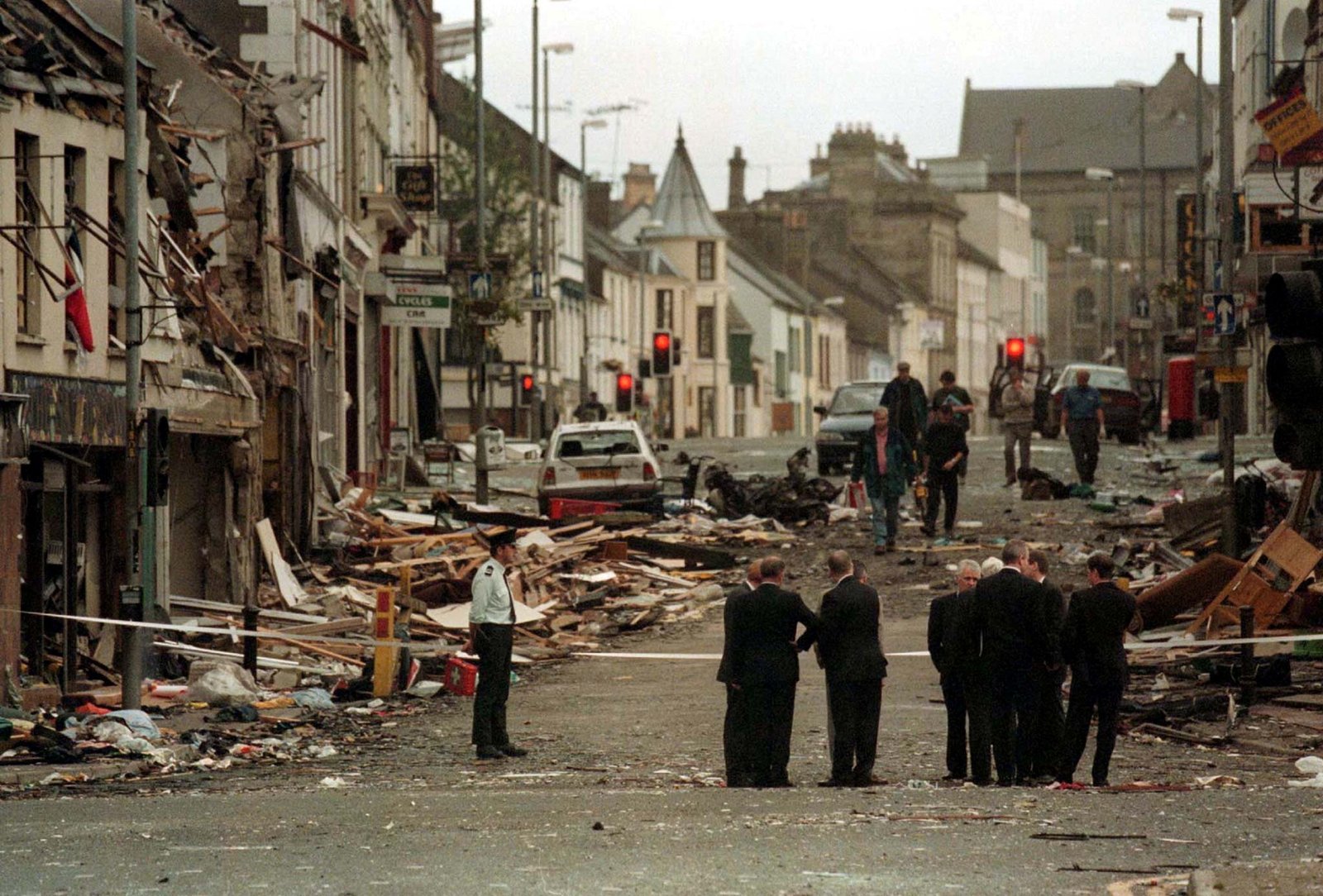
The history of Northern Ireland’s Troubles is deeply complex, defined by decades of conflict, resilience, and a yearning for reconciliation. While historical records lay out the facts, they often fail to convey the human stories that are central to understanding such a turbulent period. Personal memoirs bridge this gap, providing profound insights into Northern Ireland’s Troubles. Through firsthand experiences, they illuminate the emotional journeys of resilience and personal redemption, giving readers a deeper grasp of the conflict’s impact on individuals and communities.
This blog explores the role personal memoirs play in offering a unique understanding of Northern Ireland’s Troubles. By examining themes of perseverance, transformation, and healing, we uncover the lessons these stories provide for both historical understanding and personal growth.
A Closer Look at Northern Ireland’s Troubles
Northern Ireland’s Troubles, a prolonged period of political and sectarian conflict, spanned from the late 1960s until the signing of the Good Friday Agreement in 1998. The conflict divided communities along unionist and nationalist lines, with unionists aligning with British identity and most nationalists identifying as Irish. Over three decades, Northern Ireland’s Troubles resulted in over 3,500 deaths, countless injuries, and a fractured society.
Understanding the climate of fear, mistrust, and violence that enveloped daily life during Northern Ireland’s Troubles is essential. Yet, facts and figures alone cannot truly convey what it meant to live through this conflict. Personal memoirs add an invaluable human dimension to the historical narrative, offering intimate accounts of survival, loss, and the quest for peace.
The Human Lens of Memoirs
Unlike traditional historical works, personal memoirs provide a close-up look at the lives of individuals who directly experienced Northern Ireland’s Troubles. These stories bypass political abstractions, offering readers emotional connections to the events. Memoirs such as A Shared Home Place by Seamus Mallon highlight the challenges of acting as peacebuilders in a divided society.
Similarly, Jennifer Johnston’s Shadows on Our Skin, though fictional, reflects the harsh realities children faced during Northern Ireland’s Troubles. Narratives like Johnston’s shine a light on how everyday life was shaped by violence, fostering a deeper understanding of the emotional and psychological impact on ordinary citizens.
Themes of Resilience During Northern Ireland’s Troubles
The Endurance of the Human Spirit
One of the recurring themes in memoirs from Northern Ireland’s Troubles is resilience. Living against a backdrop of bombings, barricades, and community tensions, individuals demonstrated incredible strength just to carry on.
For example, Father Denis Bradley’s accounts of his peacebuilding efforts showcase resilience in the face of hostility. Acting as a mediator during Northern Ireland’s Troubles put his life at risk; yet, Bradley remained unwavering, committed to fostering understanding and dialogue. Memoirs like his remind us that resilience is about pushing forward, despite immense challenges, to pursue a vision of peace.
Such stories of perseverance resonate across time and borders, reminding us of humanity’s remarkable ability to endure adversity while striving for better outcomes.
Redemption Amid Turmoil
Another key theme in memoirs of Northern Ireland’s Troubles is redemption. These works often explore how individuals sought to reconcile with their past and contribute to the healing process within their communities.
Richard Moore’s Can I Give Him My Eyes? offers a profoundly moving example of personal redemption and forgiveness. Blinded as a child by a soldier during Northern Ireland’s Troubles, Moore chose to forgive the man who caused his injury, fostering a friendship that highlights the power of reconciliation. His story underscores that redemption is not just personal but communal, offering a path to collective healing.
These narratives reveal that even amid profound loss, individuals can find transformation and contribute to mending the fractures in society.
Emotional and Educational Insights Into Northern Ireland’s Troubles
Memoirs from Northern Ireland’s Troubles are invaluable not only for their emotional depth but also for their educational impact. They provide unique insights into the era, inspiring empathy while also encouraging critical thought.
Lessons in Understanding Through Emotion
The personal and emotional elements found in memoirs create lasting impressions that pure historical recounting often cannot match. For instance, Marie Jones’ A Night in November portrays the deep-seated prejudice and identity struggles that marked family and societal dynamics during Northern Ireland’s Troubles. The heart-wrenching experiences of her characters resonate with readers, forging emotional connections that enhance understanding of the intricacies of divided communities.
Memoirs like these are a tangible way to connect younger generations with history, helping them grasp not just the facts, but the lived realities of those impacted by Northern Ireland’s Troubles.
Encouraging Critical Reflection
Beyond emotional engagement, personal memoirs also provide tools for critical thinking. Works such as Patrick Radden Keefe’s Say Nothing interweave personal narratives with historical analysis of Northern Ireland’s Troubles, challenging readers to grapple with the complexities of loyalty, betrayal, and justice within the context of conflict. Keefe’s examination of events invites readers to question existing narratives and reflect on the long-term implications of political strife.
By presenting subjective perspectives, these memoirs enrich the conversation about history, creating a more layered and comprehensive understanding of the conflict.
The Continued Relevance of Northern Ireland’s Troubles
Although Northern Ireland’s Troubles formally ended with the Good Friday Agreement, the lessons from this period remain profoundly relevant. Across the globe, societies wrestle with political divisions, ethnic strife, and the challenges of rebuilding in the wake of conflict. Memoirs from Northern Ireland’s Troubles offer powerful guidance for navigating these struggles.
The resilience and redemption showcased in personal accounts provide blueprints for addressing the wounds that conflict can leave behind. They emphasize the importance of empathy, understanding, and compromise. Richard Moore’s focus on forgiveness and Seamus Mallon’s dedication to peace serve as reminders that healing requires emotional bravery and persistence.
Personal Memoirs as Bridges to History
Understanding Northern Ireland’s Troubles through personal memoirs goes beyond learning historical facts; it’s about connecting with the human stories that define history. By exploring these narratives, readers encounter themes of endurance, reconciliation, and growth that transcend time and place.
Memoirs like A Shared Home Place by Seamus Mallon, Shadows on Our Skin by Jennifer Johnston, and Can I Give Him My Eyes? by Richard Moore provide both educational and emotional value, driving home the human cost of conflict while highlighting the resilience of the human spirit.
Engaging with these works encourages empathy, enhances historical understanding, and fosters awareness of how societal divides can be bridged. Ultimately, looking at Northern Ireland’s Troubles through the lens of personal memoirs underscores the importance of storytelling as a tool for healing and progress.